

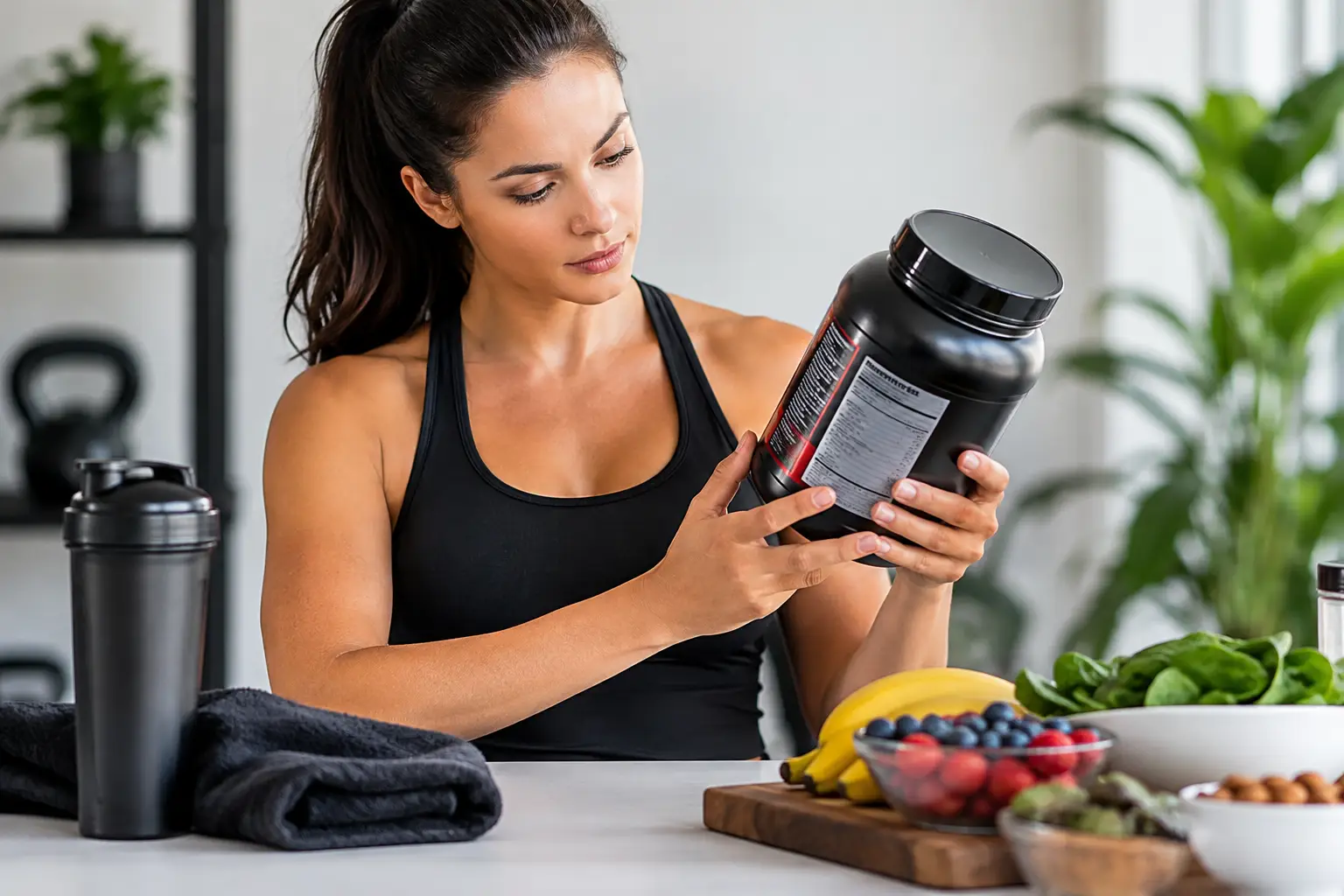
A pre-workout tub can look powerful on the shelf, but the front label is not where the real decision happens. Supplement label basics help you see past bold flavor names, big claims, and oversized containers so you can choose a formula that actually fits your training, recovery, weight-management, or everyday wellness goal.
The label does not need to feel like a chemistry exam. Once you know where to look, you can compare two products quickly, spot what you are getting per serving, and avoid buying a formula based only on the front-of-package hype. That matters whether you are building your first supplement routine or fine-tuning a stack around serious gym sessions.
Start With the Supplement Facts Panel
The Supplement Facts panel is the most useful part of the package. It tells you the serving size, the number of servings in the container, and the amounts of listed nutrients or active ingredients. Read this panel before you decide whether a product is a good fit.
The front of a label may highlight one ingredient, such as creatine, electrolytes, or a vitamin blend. The facts panel gives the fuller picture. You may find that the highlighted ingredient is only one part of the formula, or that the product contains several performance-focused ingredients that affect whether it matches your preferences.
Serving Size Changes the Numbers
A serving size is not always one scoop, one capsule, or one gummy. Some powders list two scoops as a serving. Some capsule formulas require three or four capsules. Some electrolyte products are designed around one packet, while others use a rounded scoop.
That detail changes how you compare products. If one pre-workout lists 200 milligrams of caffeine per scoop but another lists 300 milligrams per two-scoop serving, comparing the scoop numbers alone is misleading. Look at the stated serving, then decide whether that amount works with your tolerance, schedule, and the rest of your routine.
Also check servings per container. A large tub is not automatically a better value if the serving size is large. The practical question is how many workouts, recovery days, or daily uses the container provides at the amount you plan to take.
Read Active Ingredient Amounts, Not Just Ingredient Names
Ingredient lists can sound impressive because they are long. What matters is the amount of each ingredient per serving and why it is included. A straightforward formula that clearly lists meaningful amounts can be easier to evaluate than a crowded label with dozens of ingredients in tiny quantities.
For example, a protein powder label should make it easy to see protein grams, calories, carbohydrates, fat, and the serving size used to reach those numbers. A creatine product should clearly state the amount of creatine per serving. A multivitamin should identify the vitamins and minerals included and their amounts.
Match those numbers to your goal. Someone trying to raise daily protein intake may care most about protein per serving, total calories, and how the powder fits meals already on the plan. A hard-training athlete using an intra-workout product may pay closer attention to carbohydrates, electrolytes, and total fluid needs. There is no single “best” panel. There is a best fit for the job you need the product to do.
Understand Daily Value Percentages
You will often see a percentage next to vitamins and minerals. This is the Percent Daily Value, or %DV. It shows how much one serving contributes to a general daily dietary reference amount.
A higher percentage is not automatically better. Your food intake, other supplements, and individual needs all matter. If you use a multivitamin, greens formula, and separate vitamin product, reading the %DV on each label can help you avoid piling up the same nutrients without realizing it.
Some sports-nutrition ingredients will not have a %DV listed. That does not make them suspicious or inferior. It simply means a Daily Value has not been established for that ingredient.
Other Ingredients Matter Too
Below or beside the Supplement Facts panel, look for the “Other Ingredients” statement. This section can include flavoring, sweeteners, capsule materials, colors, thickeners, and mixing aids. These ingredients may not drive your workout goal, but they can affect taste, texture, digestion preferences, and whether you will actually use the product consistently.
If you prefer an unflavored powder, avoid certain sweeteners, or need to account for food allergens, this is where you find those details. Protein powders can vary widely in milk-based ingredients, flavor systems, and added carbohydrates. Gummies can include sugars or sugar alcohols. Capsules may use gelatin or plant-based materials.
Consistency beats buying a product that looks perfect on paper but sits untouched in the pantry. A formula should fit your preferences as well as your plan.
Supplement Label Basics for Comparing Formulas
When two products are in the same category, compare them in the same order: serving size first, active ingredients second, amounts per serving third, and cost per serving last. This keeps you from being pulled toward a huge-looking container or a flashy front label.
Proprietary blends deserve extra attention. A proprietary blend lists a group of ingredients with one total amount for the group, rather than disclosing the amount of each ingredient. That does not automatically mean the formula is poor. It does mean you have less information for comparing ingredient amounts across products.
For customers who want full control over their routine, fully disclosed labels are often easier to work with. You can see exactly what you are taking, identify overlap with other products, and adjust your stack with more confidence. Brands such as NutraBio are known by many label-focused shoppers for emphasizing detailed formula disclosure, but the right choice still depends on your goals and preferences.
Be Careful With Front-Label Claims
Phrases like “energy,” “pump,” “recovery,” “lean,” or “immune support” can help describe a product category, but they are not a substitute for reading the panel. A claim does not tell you the serving size, total stimulant content, protein amount, or full ingredient profile.
Use the front label to understand what the product is intended for. Use the Supplement Facts panel to decide whether it fits your routine. That small habit can save money and prevent unnecessary overlap, especially if you already use a pre-workout, fat burner, hydration formula, multivitamin, or sleep-support product.
Build in Safety Checks Before You Buy
Supplements are meant to support a solid foundation of food, training, hydration, sleep, and recovery. More products and larger servings do not automatically produce better progress. Start by identifying one clear purpose for each product in your routine.
Before adding a new supplement, check the label for overlapping ingredients, especially stimulants, caffeine, vitamins, and minerals. Follow the manufacturer’s directions, and avoid treating “one serving” as a challenge to exceed. If you are pregnant or nursing, take medications, have a health condition, are preparing for surgery, or have questions about whether a product fits your situation, speak with a qualified healthcare professional first.
For athletes subject to drug testing, label reading is only one part of the decision. Review your organization’s rules and choose products carefully. A supplement label can tell you what the manufacturer lists, but it cannot replace your responsibility to understand the standards that apply to your sport.
Make the Label Work for Your Goal
Bring your goal into the decision. If muscle gain is the priority, look at how a protein powder or calorie-support product fits your total daily food intake. If training performance is the focus, examine serving size, stimulant content if included, and whether the formula matches the time of day you train. If everyday wellness is your focus, compare nutrient amounts with the foods and supplements already in your routine.
A knowledgeable conversation can help when the label still leaves questions. At Rock’s Discount Vitamins, Texans can shop with a clearer goal in mind and ask for practical guidance instead of guessing from the front of the bottle.
The next time you pick up a supplement, turn it around before you put it in your cart. A few calm seconds with the label can turn an impulse buy into a choice that better supports the work you are already putting in.


