
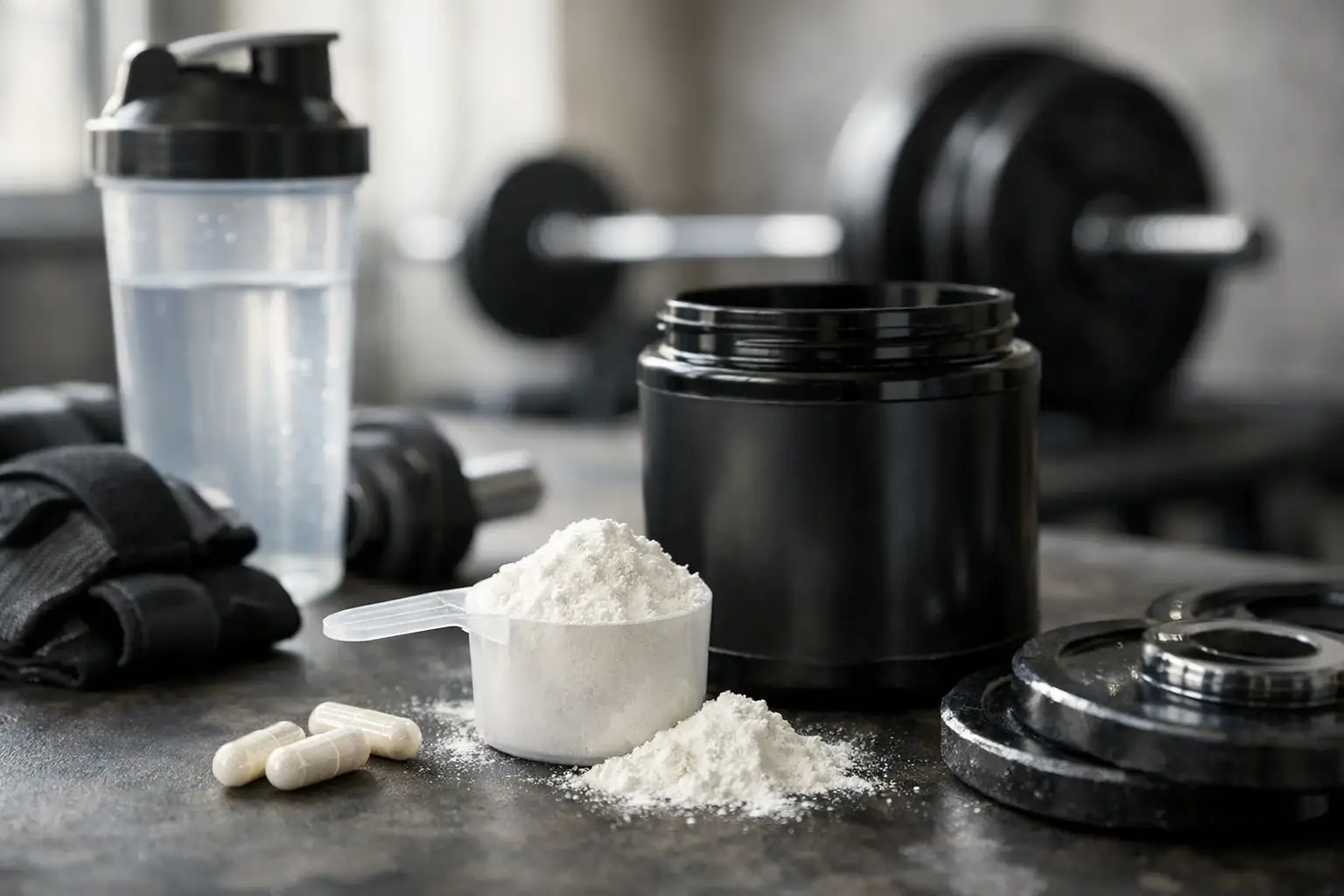
That last rep that slows halfway up is where training gets honest. Creatine for strength training will not replace smart programming, enough protein, or consistent effort, but it can help you repeat high-output work more effectively. For lifters chasing heavier numbers, more quality reps, and steady muscle growth, it is one of the most proven tools in the supplement aisle.
Creatine is not a magic pre-workout feeling. Most people do not notice it in a single scoop or one workout. It works by building up in your muscles over time, helping your body restore quick energy during short, intense efforts such as heavy sets, sprints, jumps, and hard intervals. That makes it a strong fit for the work that drives strength progress.
Why Creatine for Strength Training Makes Sense
Your muscles use adenosine triphosphate, or ATP, as immediate energy. During a heavy set of squats, presses, deadlifts, or rows, that quick energy runs low fast. Stored creatine helps regenerate ATP, giving your muscles more support during repeated high-intensity efforts.
In practical terms, that may mean getting an extra rep with the same weight, holding your bar speed a little longer, or recovering better between demanding sets. One extra quality rep may not sound like much. Added up across weeks of progressive training, it can create more productive volume and a better chance to build strength and muscle.
Creatine also pulls water into muscle cells. That can make muscles look and feel fuller, especially during the first few weeks. Some of the early scale increase is water weight, not body fat. For a lifter focused on performance and lean mass, that is usually expected. For someone in a weight-class sport or aggressively tracking scale weight, it is a trade-off worth planning for.
Choose Creatine Monohydrate First
Supplement labels can make creatine seem complicated. There are flavored powders, capsules, gummies, blends, and several specialized forms. The simplest answer for most strength trainees is creatine monohydrate.
Creatine monohydrate is the form most consistently studied, widely available, and typically the best value per serving. It does not need a flashy label to work. A plain, quality creatine monohydrate powder is often all you need.
Other forms may be more convenient for certain people, but convenience is different from better results. Capsules can help if you dislike powder. A flavored option may make daily use easier. What matters most is getting an effective amount consistently, not chasing the newest version of a familiar ingredient.
Look Beyond the Front Label
Check the supplement facts panel and serving size. A product should clearly state how much creatine you receive per serving. Be cautious with proprietary blends that do not disclose individual amounts, especially if creatine is one of many ingredients in a pre-workout formula.
A pre-workout can be useful for energy and focus, but it may not provide enough creatine to meet your daily target. If the label contains only a small amount, add a standalone creatine product rather than assuming your pre-workout has you covered.
How Much Creatine Should You Take?
For most adults, 3 to 5 grams of creatine monohydrate per day is the practical sweet spot. Take it every day, including rest days. Your goal is to keep muscle creatine stores elevated, so consistency matters more than perfect timing.
You can mix it with water, add it to a protein shake, or take it with a meal. Some people prefer it after training because it pairs easily with their post-workout routine. Others take it with breakfast so they never forget. Pick the time you can repeat without overthinking it.
Do You Need a Loading Phase?
No. A loading phase can saturate your muscles faster, but it is optional. Traditional loading involves about 20 grams per day divided into smaller servings for five to seven days, followed by a daily maintenance dose. It may help you reach full stores sooner, but it can also cause stomach discomfort for some people.
Taking 3 to 5 grams daily from the start will still work. It simply takes a few weeks to fully build up. For most busy lifters, the steady approach is easier and more comfortable.
If you experience bloating or digestive upset, do not assume creatine is off the table. Try lowering the dose to 3 grams, taking it with food, splitting the serving, or choosing a powder that mixes well. Individual response matters.
Pair It With Training That Has a Plan
Creatine helps most when your lifting already asks your body to adapt. If you are doing the same weights and reps every week, no supplement can do the progressive work for you. Use creatine alongside a program that includes challenging compound movements, enough total training volume, recovery days, and gradual progression.
For a strength-focused goal, track a few meaningful measures: the weight on the bar, reps completed at a given load, body weight, and how your recovery feels between sessions. This gives you a clearer picture than relying on a mirror check after one week.
Nutrition still sets the foundation. Protein supports muscle repair and growth. Carbohydrates can help fuel demanding training. Total calories matter depending on whether you are trying to gain size, maintain, or lose fat while protecting strength. Creatine supports the work, but it cannot outwork a routine built on skipped meals, poor sleep, and inconsistent training.
What Results Can You Realistically Expect?
The best creatine results are usually noticeable in your training log before they are dramatic in the mirror. Over several weeks, many lifters find they can sustain more hard reps or progress their loads with a little more confidence. That extra training capacity can support muscle gains over months, not overnight.
Response varies. People who eat little red meat or seafood may notice more because dietary creatine intake is lower. Experienced lifters may see smaller but still valuable improvements because they are already closer to their potential. Some people are lower responders, and no supplement works identically for everyone.
Do not judge creatine after three days. Give a daily routine at least four to eight weeks while keeping your training and nutrition consistent. If the scale rises early, assess your strength, workout quality, waist measurement, and overall physique goal before deciding it is a problem.
Safety, Hydration, and Common Concerns
For healthy adults, creatine monohydrate is well researched and generally considered safe when used as directed. The old idea that it automatically causes dehydration or muscle cramps has not held up well in research. Still, hard training in Texas heat is demanding with or without supplements. Drink water regularly, replace fluids around long or sweaty sessions, and do not treat thirst as an afterthought.
Creatine does not need to be cycled. You can take it consistently year-round if it fits your goals and you tolerate it well. It also does not require a special “off” period to keep working.
Talk with a qualified health professional before using creatine if you have kidney disease, are pregnant or nursing, take medications that may affect kidney function, or have a medical condition that changes your nutrition needs. If you are getting blood work, let your clinician know you use creatine, since it can affect creatinine readings used in some kidney assessments.
Build a Routine You Can Keep
The best supplement routine is not the most complicated one. It is the one you will follow through early mornings, long workdays, and weeks when motivation is not perfect. Keep your creatine near your shaker cup, coffee setup, or post-workout protein so it becomes automatic.
At Rock’s Discount Vitamins, Texans can get straightforward guidance on choosing a trusted creatine product that fits their training goals and budget. Whether you are building your first supplement routine or fine-tuning a serious strength phase, start with consistent daily use and let your training log show the difference.
Strong results are built one session at a time. Take the daily serving, earn the hard reps, recover with purpose, and give your plan enough time to work.


