
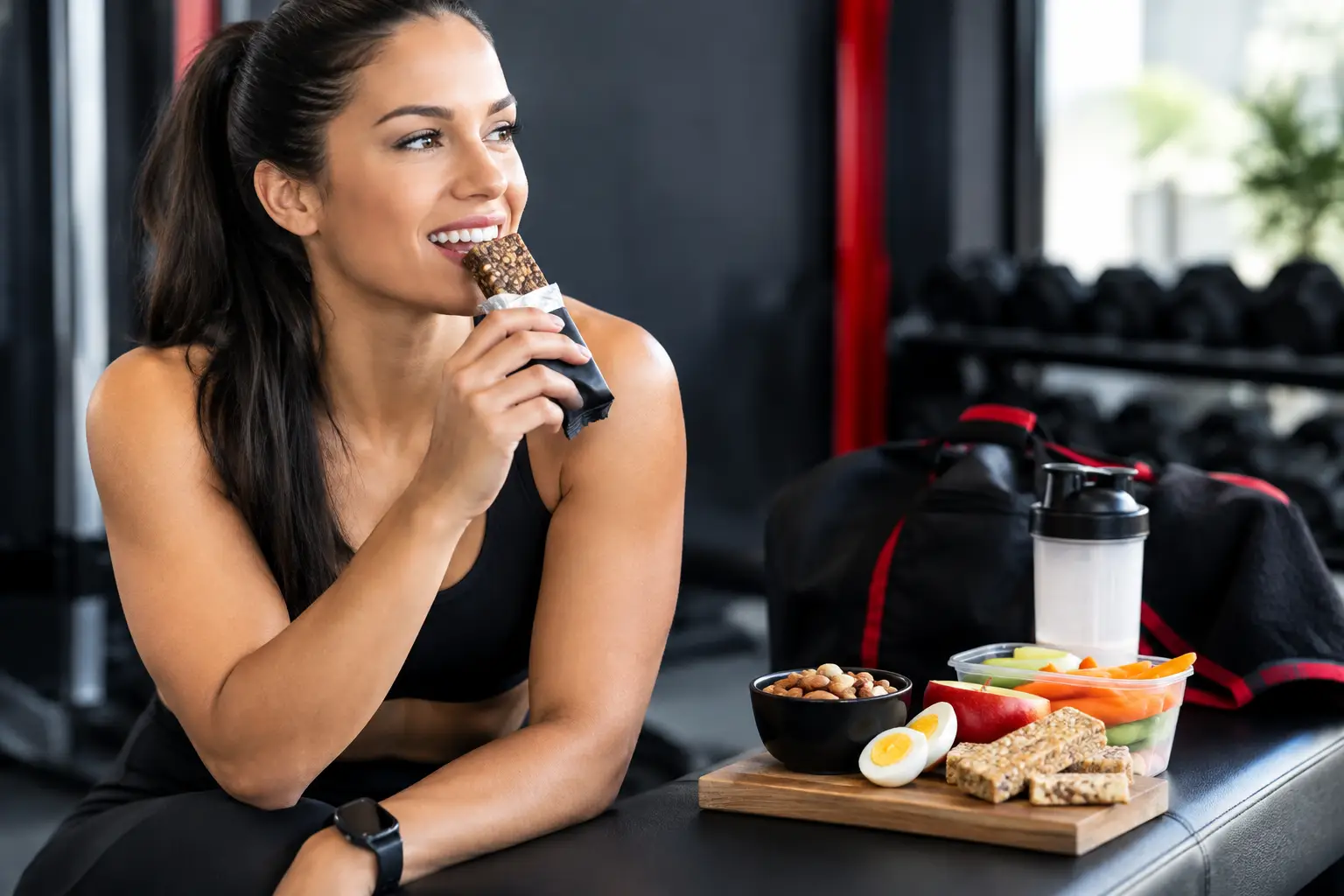
The 3 p.m. snack decision can either support the work you put in at the gym or leave you raiding the pantry an hour later. The right protein snacks are not magic, and they do not need to be complicated. They are simply convenient options that help you get enough protein across the day while keeping hunger, recovery, and body-composition goals in view.
For Texas gym-goers, busy parents, students, shift workers, and athletes, consistency usually matters more than finding the perfect snack. A protein bar in your work bag, a ready-to-drink shake in the truck, or a quick bowl built from real food can make it easier to stay on track when a full meal is not realistic.
Why Protein Snacks Earn a Place in Your Routine
Protein helps support muscle repair and growth after training, but its value is not limited to the post-workout window. Spreading protein through your meals and snacks can make it easier to reach your daily intake, especially when breakfast was light or lunch got pushed back.
A well-chosen snack can also be more satisfying than a handful of crackers or candy. Protein generally takes longer to digest than refined carbs alone, so pairing it with fiber or a small amount of healthy fat may help you stay full until your next meal. That can be useful for someone building muscle, maintaining weight, or working toward a calorie-conscious body-composition goal.
The trade-off is simple: not every product marketed as high protein is automatically a smart fit. Some bars are closer to a candy bar with added protein, while some shakes contain more calories than the person drinking them expects. Read the label, then match the choice to your goal and the rest of your day.
How Much Protein Should a Snack Have?
There is no single number that works for everyone. Your body size, training schedule, total food intake, and goals all matter. Still, a snack with roughly 15 to 25 grams of protein is a practical target for many active adults. It is substantial enough to move the needle without necessarily replacing a meal.
If you are trying to add muscle and struggle to eat enough, a higher-calorie snack may be useful. A protein shake blended with milk, oats, or nut butter can add both protein and energy without requiring a huge meal.
If fat loss is the priority, look for protein snacks that deliver a solid protein amount without a long list of added sugars or a calorie total that crowds out your meals. A lower-calorie shake, Greek yogurt, cottage cheese, or a lean whole-food option may fit better. Neither approach is universally better. The best one is the one that fits your total nutrition plan and that you can repeat consistently.
Protein Snacks for Real Schedules
Convenience is a real performance tool. If you commute, work long shifts, train after work, or move between classes and the gym, keep options available before hunger makes the decision for you.
Grab-and-go options
Protein bars and ready-to-drink shakes are built for the moments when preparation is not happening. Look beyond the front of the package. Compare protein, calories, sugar, fiber, and the ingredient list. Some people do well with sugar alcohols in bars, while others find they cause stomach discomfort. If that is you, choose a bar with a simpler formula or use a shake instead.
Beef jerky, turkey sticks, tuna packets, and single-serve Greek yogurt can work well too. They are especially useful when you want something savory instead of another sweet shake or bar. Just watch sodium if you are relying on packaged meat snacks multiple times per day.
At-home options that take minutes
A bowl of Greek yogurt with berries and a small handful of granola brings protein, carbohydrates, and texture without much effort. Cottage cheese with fruit is another easy choice, particularly when you want a slower, more filling snack.
Eggs, deli turkey rolled with cheese, edamame, or a simple smoothie can also earn a regular spot in your rotation. For a smoothie, start with a protein powder you enjoy, then decide what the day calls for. Add fruit when you need training fuel, or keep it lighter with ice and a modest portion of fruit when you just need a bridge to dinner.
Before and after training
A pre-workout snack should be easy on your stomach. If you are eating within an hour of lifting or cardio, a ready-to-drink protein shake and a banana can be a practical combination. The protein supports your daily intake, while the carbohydrate gives you readily available energy.
After training, protein is still valuable, but you do not need to panic if you cannot eat immediately. Have a protein-rich meal or snack within the next few hours and focus on the bigger picture: enough total protein, enough calories for your goal, quality sleep, and a training plan you can recover from.
Build the Snack Around Your Goal
The label matters, but context matters more. A protein snack is part of your day, not a stand-alone solution.
For muscle gain, choose options that provide protein plus enough total calories to help you make progress. A shake with milk and fruit, Greek yogurt with cereal, or a bar alongside a piece of fruit can be useful when appetite is low or meal timing is tight.
For weight management, start with protein and volume. Greek yogurt and berries, cottage cheese and fruit, or a shake paired with an apple can feel more complete than protein by itself. This approach can help you avoid turning a snack into a grazing session that never feels satisfying.
For recovery after demanding training, think about the full meal pattern. Protein is one piece. Hydration, carbohydrates, fruits and vegetables, and adequate rest all play a role in how ready you feel for the next session. A post-workout shake is convenient, but it should support your routine rather than cover up poor recovery habits.
Common Mistakes That Make Snacks Less Helpful
The first mistake is treating a protein snack as an excuse to skip real meals all day. Shakes and bars are useful tools, but most people still benefit from regular meals built around whole-food protein sources, produce, and quality carbohydrates.
The second is buying a product because the protein number looks impressive without checking serving size. A container may list 30 grams of protein, but that could require two scoops or two servings. Know what you are actually eating.
The third is forcing down foods you dislike. If a chalky shake or overly sweet bar makes you avoid your plan, it is not helping. Find flavors and formats you can use repeatedly. Enjoyment is not a weakness in a nutrition plan. It is what helps the plan last.
Finally, do not assume more is always better. If your meals already provide plenty of protein, adding several large snacks may simply add calories you did not plan for. Use snacks to fill a genuine gap, support your training schedule, or prevent long stretches without food.
Keep a Simple Protein Snack System
Pick two shelf-stable options, two refrigerated options, and one quick homemade choice. That gives you variety without creating a cabinet full of products you never use. Keep the shelf-stable choices in your gym bag, desk, or vehicle, and restock them before they disappear.
At Rock’s Discount Vitamins, the goal is to help Texans make choices that match real body goals, not chase hype. If you are unsure whether a bar, powder, or ready-to-drink shake fits your routine, ask for guidance and bring your goal into the conversation.
The snack that helps most is usually the one waiting for you before hunger gets loud. Make that choice easy, keep it enjoyable, and let those small decisions support the bigger work you are doing.