

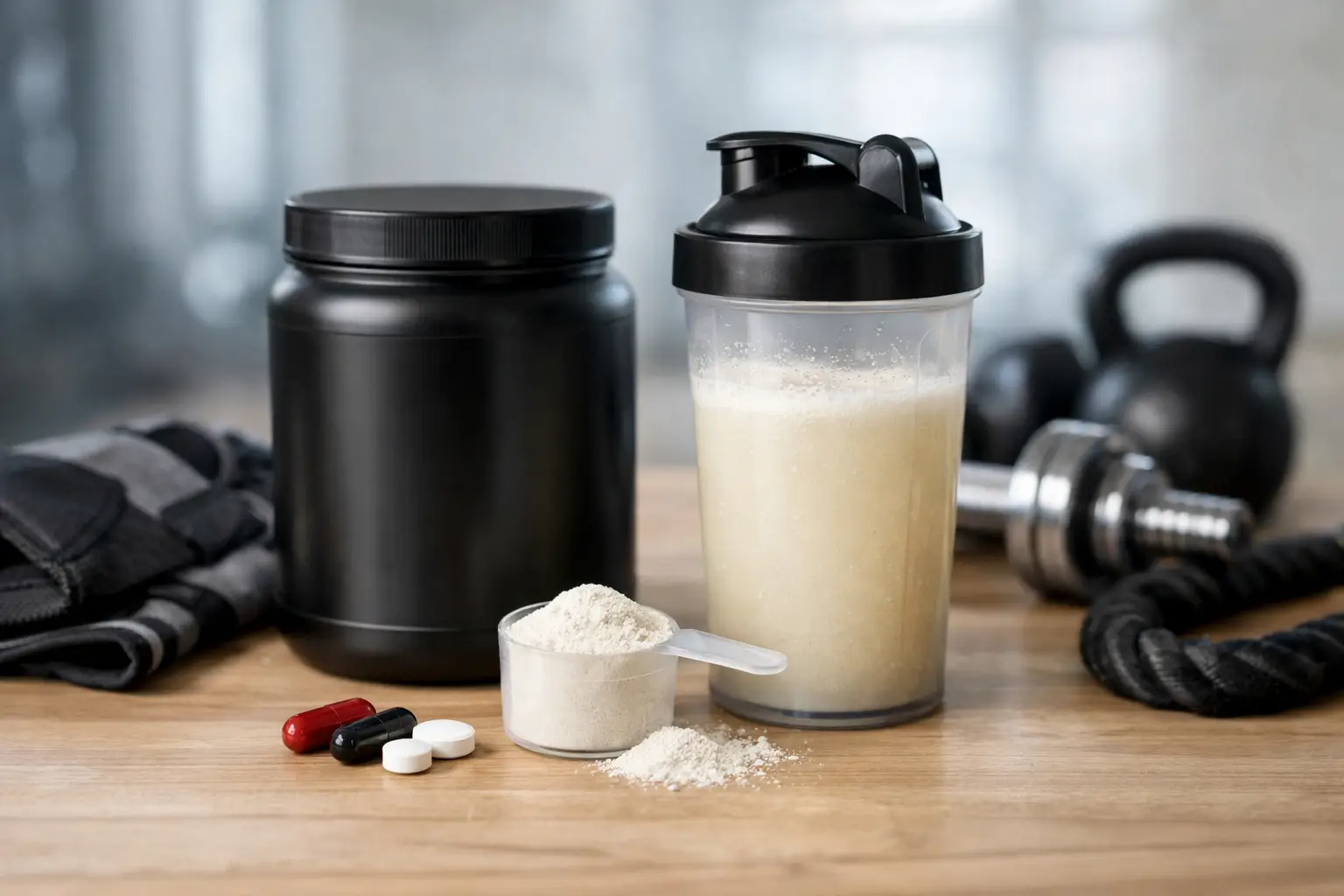
Your first pre-workout should make getting to the gym feel more focused, not leave you shaky, itchy, or staring at a label you cannot understand. Pre workout supplements for beginners work best when you keep the goal simple: choose a formula that supports a solid training session, learn how your body responds, and build from there.
A pre-workout is not the workout itself. It will not replace consistent lifting, enough food, water, sleep, or a plan you can follow week after week. But the right product can be a useful part of your routine when you want a little more energy, focus, or training drive before a demanding session.
What Pre-Workout Is Designed to Do
Most pre-workout formulas are powdered supplements mixed with water and taken shortly before training. Their ingredients are usually aimed at energy, mental focus, blood flow, endurance, or a combination of those benefits. The experience can range from a gentle lift in motivation to a stronger stimulant effect, depending on the formula and serving size.
For a beginner, the best outcome is not feeling the biggest rush. It is completing your workout with good form, steady energy, and enough control to learn what helps you train well. A product that is too intense can turn an otherwise productive gym session into an uncomfortable one.
Start by asking what you actually need. If you train early and feel slow getting started, a moderate-energy formula may make sense. If you work out later in the day, a non-stimulant option may be a better fit so your sleep routine does not take a hit. If your main goal is muscle growth, the work you put into progressive training and daily nutrition will matter far more than chasing the strongest pre-workout on the shelf.
Pre Workout Supplements for Beginners: Ingredients That Matter
You do not need to memorize every ingredient on a label. You do need to recognize a few common ones and understand what they may feel like in your body.
Caffeine is the ingredient most beginners notice first. It can increase alertness and make a tough session feel easier to begin, but it can also cause jitters, a racing feeling, stomach discomfort, or trouble sleeping when the dose is more than you tolerate. If you already drink coffee, energy drinks, tea, or soda, count that caffeine too. Total daily intake matters more than the source.
L-citrulline or citrulline malate is often included in formulas designed for training pumps and blood flow. Many lifters like the fuller-muscle feeling it can bring during higher-volume workouts. It is not a substitute for hydration, but it can pair well with a well-planned strength or physique-focused session.
Beta-alanine may create a temporary tingling or prickly sensation in the skin, often around the face, ears, or hands. That feeling can surprise new users, but it is a common and usually harmless sensation from the ingredient itself. Still, if you dislike it, choose a formula without beta-alanine or start with less than a full serving.
Creatine is sometimes included in pre-workout, although it does not need to be taken right before exercise to be useful in a routine. Consistency is the main point with creatine. If a pre-workout contains it, check whether the amount fits your daily creatine plan rather than assuming the scoop covers everything.
You may also see ingredients for focus, electrolytes, or flavor support. These can be useful additions, but they should not distract you from the basics: a clearly labeled formula, a stimulant level you can handle, and ingredients that match your goals.
Avoid Guessing With Proprietary Blends
A proprietary blend groups ingredients under one total amount without showing how much of each ingredient is included. That makes it harder to compare products or know what you are taking. Beginners are usually better served by a transparent label that lists individual ingredient amounts.
Transparent labeling gives you a practical way to adjust your routine. If a full serving feels like too much, you can start lower. If you have a great workout but cannot sleep that night, you have a better idea of what to change next time.
How to Choose Your First Formula
Your first pre-workout does not need to be the most aggressive option. A moderate formula with a straightforward label is often the smarter starting point. Think about your training time, current caffeine habits, and the type of workouts you do most often.
If you train in the morning and tolerate caffeine well, a moderate-stimulant pre-workout may fit your routine. If you train after work, a low-stimulant or stimulant-free formula can help you avoid carrying workout energy into bedtime. Stimulant-free products can also be useful on days when you have already had coffee or simply want a pump-focused session without extra caffeine.
Be honest about your experience level in the gym, too. A new lifter does not need a complex stack to make progress. One product used consistently and responsibly is easier to evaluate than mixing a pre-workout with multiple energy drinks, fat burners, or other stimulant-heavy products.
At Rock’s Discount Vitamins, customers can get help sorting through established sports nutrition options in person instead of relying only on a flashy label. A quick conversation about your workout schedule, caffeine tolerance, and body goals can make your first choice much more practical.
Start With Less Than a Full Scoop
The serving suggestion on the container is a maximum starting reference, not a challenge. For your first use, begin with half a serving or less, especially if you are new to caffeine or have never used a pre-workout formula before.
Take it about 20 to 30 minutes before training, then pay attention to your energy, focus, stomach comfort, and sleep later that night. Use the same amount for a few workouts before deciding whether to increase it. Changing the dose every session makes it hard to tell what is working.
Never dry scoop powder. Mixing it with the recommended amount of water is easier on your throat and gives you a more controlled way to take the product. Keep drinking water during your workout, particularly in Texas heat or during longer training sessions where sweat adds up quickly.
Pair It With a Real Pre-Training Routine
Pre-workout is more useful when the rest of your routine supports it. Have a meal or snack that works for your schedule, bring water, and know what you are training before you walk through the gym doors. If you are lifting, write down your exercises, sets, and reps so you can measure progress over time.
For some people, taking pre-workout on an empty stomach feels fine. For others, it leads to nausea or an uncomfortable crash. It depends on the person and the formula. Try it with a light meal first if your stomach tends to be sensitive, then adjust based on your experience.
Common Beginner Mistakes to Skip
The fastest way to have a bad first experience is to stack stimulants without thinking. A large coffee, an energy drink, and a full scoop of pre-workout can add up quickly. Choose one main caffeine source before training and keep the rest of your day in mind.
Another mistake is using pre-workout to cover for poor sleep. An occasional low-energy day happens, but relying on stimulants after too little rest can make it harder to recover and may keep the cycle going. When sleep is off, a lighter session, a stimulant-free option, or even a rest day can be the better call.
Do not judge a product only by how intense it feels. The best pre-workout for your routine is one that helps you show up, train with purpose, and recover without unwanted side effects. A massive rush is not the same thing as a better workout.
If you are pregnant or nursing, take medications, have a health concern, or are especially sensitive to stimulants, speak with a qualified healthcare professional before adding a pre-workout to your routine. Read the full label, follow its directions, and stop using a product that makes you feel unwell.
Your first formula is simply a starting point. Train consistently, track how you feel, and let your actual workouts guide the next decision. The goal is not to need more stimulation every week. The goal is to build a routine that keeps moving you closer to your body goals, one solid session at a time.




